Description
1,8-Dihydroxyanthraquinone (CAS 117-10-2), from our fine chemicals range: flavours and fragrances and organic synthesis. Molecular formula C₁₄H₈O₄; molecular weight 240.21 g/mol.
Supplied as yellow to brown solid powder, with a purity of ≥ 99.0 %.
Store at room temperature.
Available in 500 g format.
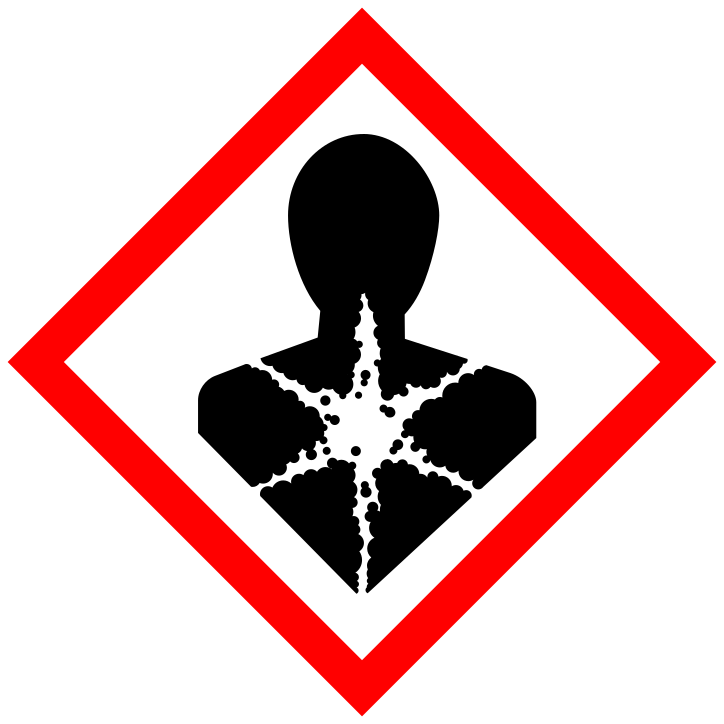
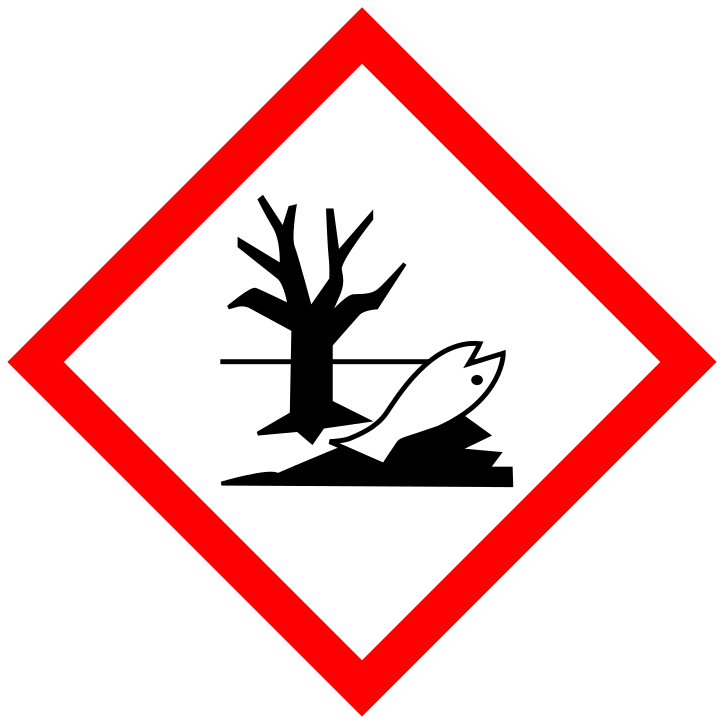
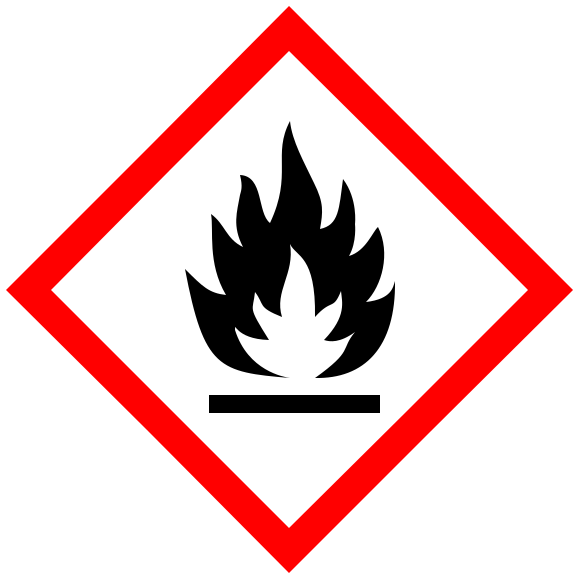
Classified as hazardous. See the hazard and precautionary statements in the Safety tab.
Physical and chemical properties
Published reference values (PubChem). For guidance only: they are not batch specifications.
| Appearance | Orange powder or reddish-brown needles |
|---|
| Melting point | 193 °C |
|---|
| Solubility (other solvents) | Insoluble in water; slightly soluble in ethanol, diethyl ether; soluble in acetone, acetic acid, alkali |
|---|
Safety and handling
Signal word (CLP): Danger
Hazard statements
- H317
- May cause an allergic skin reaction.
- H319
- Causes serious eye irritation.
- H334
- May cause allergy or asthma symptoms or breathing difficulties if inhaled.
- H335
- May cause respiratory irritation.
- H336
- May cause drowsiness or dizziness.
- H351
- Suspected of causing cancer.
- H410
- Very toxic to aquatic life with long lasting effects.
Precautionary statements
- P201
- Obtain special instructions before use.
- P261
- Avoid breathing dust/fume/gas/mist/vapours/spray.
- P273
- Avoid release to the environment.
- P280
- Wear protective gloves/protective clothing/eye protection/face protection.
- P304 + P340
- IF INHALED: Remove person to fresh air and keep comfortable for breathing.
- P305 + P351 + P338
- IF IN EYES: Rinse cautiously with water for several minutes. Remove contact lenses, if present and easy to do. Continue rinsing.
- P342 + P311
- If experiencing respiratory symptoms: Call a POISON CENTRE/doctor/…
- P391
- Collect spillage.
Storage and transport
| Storage temperature | Room temperature |
|---|
| Flash point | 200 °C |
|---|
| Transport class (ADR) | 9 |
|---|
| Packing group | III |
|---|
| Acid-base character | Neutral |
|---|
Indicative information based on the CLP classification. You can request the safety data sheet together with your quotation.