Description
Lead(II) nitrate (CAS 10099-74-8), from our fine chemicals range: inorganics and salts and organic synthesis. Molecular formula Pb(NO₃)₂; molecular weight 331.21 g/mol.
Supplied as white to colourless solid, with a purity of ≥ 99.0 %.
Store at room temperature.
Available in 500 g format.
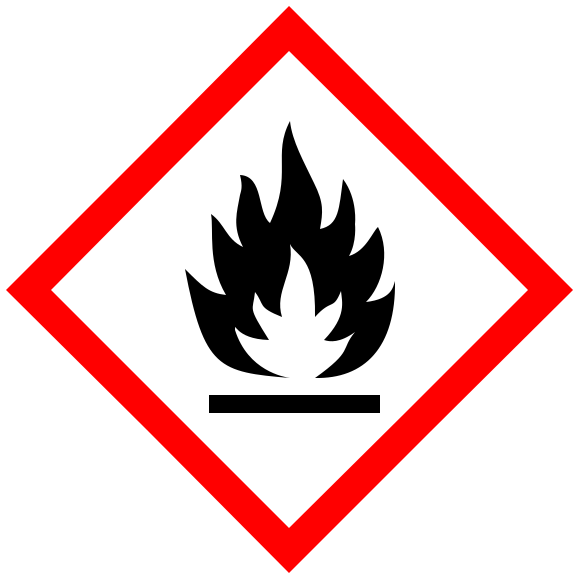
Classified as hazardous. See the hazard and precautionary statements in the Safety tab.
Physical and chemical properties
Published reference values (PubChem). For guidance only: they are not batch specifications.
| Appearance | Colourless, cubic crystals |
|---|
| Melting point | 470 °C |
|---|
| Density | 4.6 (relative, water = 1) |
|---|
| Solubility (other solvents) | Slightly soluble in ethanol |
|---|
| Refractive index | 1.782 |
|---|
Safety and handling
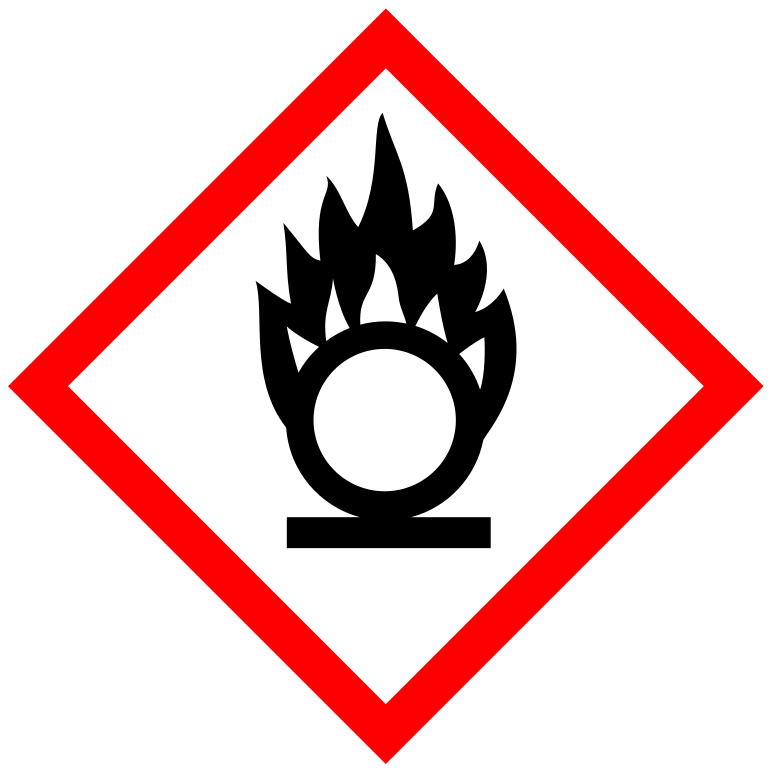
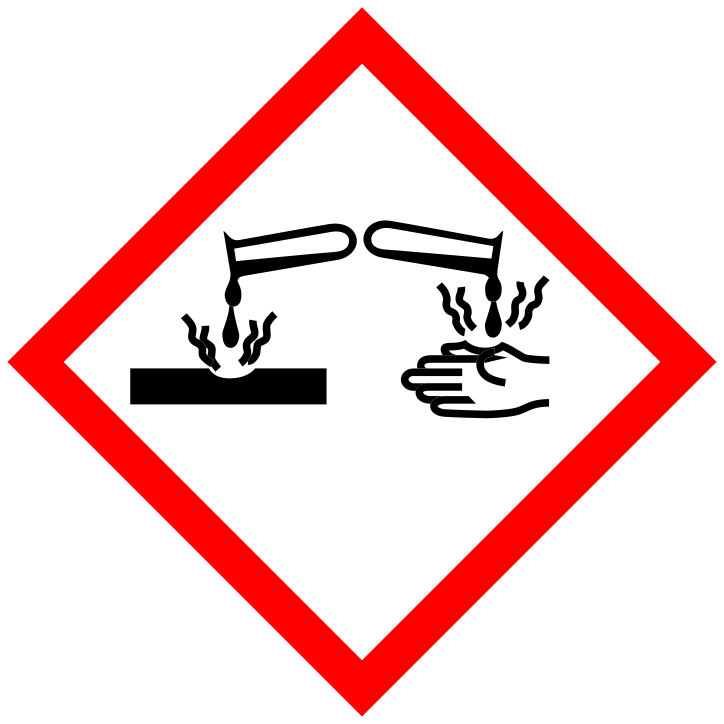
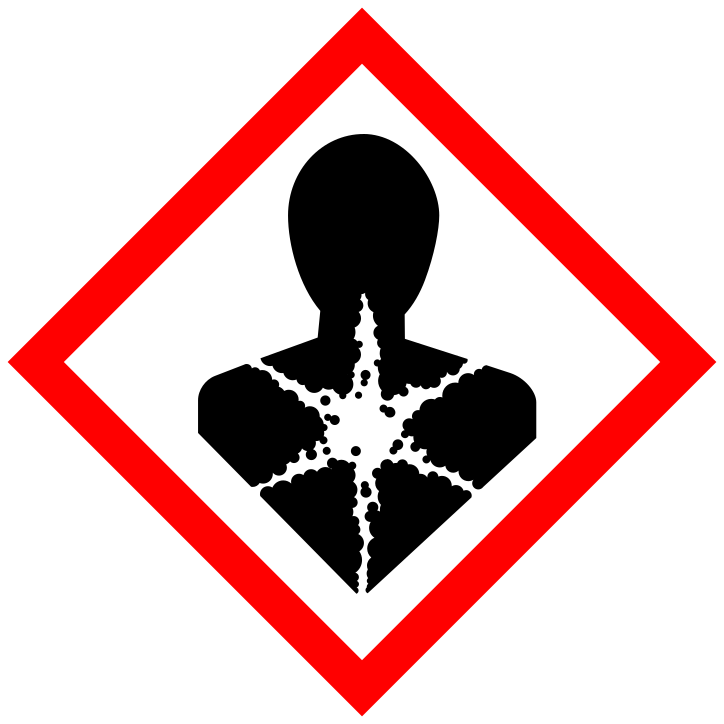
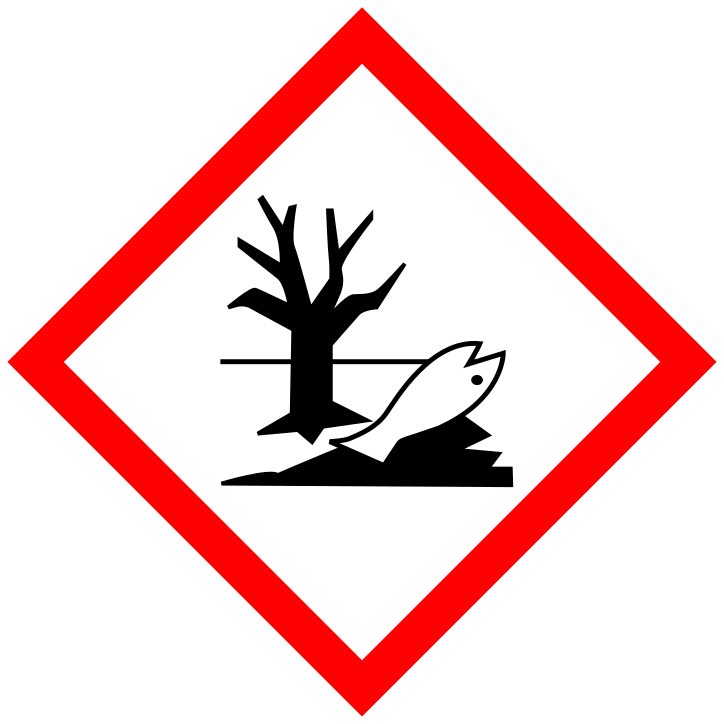
Signal word (CLP): Danger
Hazard statements
- H272
- May intensify fire; oxidiser.
- H302 + H332
- Harmful if swallowed or if inhaled.
- H317
- May cause an allergic skin reaction.
- H318
- Causes serious eye damage.
- H351
- Suspected of causing cancer.
- H360Df
- May damage the unborn child. Suspected of damaging fertility.
- H372
- Causes damage to organs through prolonged or repeated exposure.
- H410
- Very toxic to aquatic life with long lasting effects.
Precautionary statements
- P210
- Keep away from heat, hot surfaces, sparks, open flames and other ignition sources. No smoking.
- P263
- Avoid contact during pregnancy and while nursing.
- P273
- Avoid release to the environment.
- P280
- Wear protective gloves/protective clothing/eye protection/face protection.
- P303 + P361 + P353
- IF ON SKIN (or hair): Take off immediately all contaminated clothing. Rinse skin with water [or shower].
- P305 + P351 + P338
- IF IN EYES: Rinse cautiously with water for several minutes. Remove contact lenses, if present and easy to do. Continue rinsing.
- P308 + P313
- IF exposed or concerned: Get medical advice/attention.
Storage and transport
| Storage temperature | Room temperature |
|---|
| Transport class (ADR) | 5.1 (6.1) |
|---|
| Packing group | II |
|---|
| Acid-base character | Acidic |
|---|
Indicative information based on the CLP classification. You can request the safety data sheet together with your quotation.