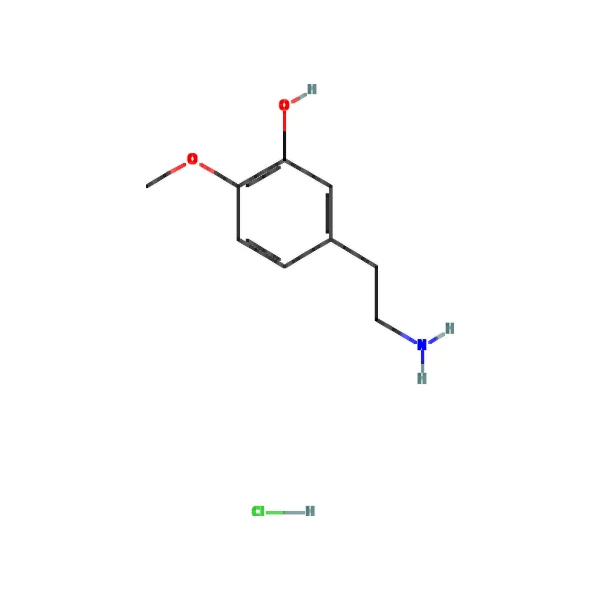
Description
Capecitabine (CAS 154361-50-9), from our fine chemicals range: Bioactive molecules. Molecular formula C₁₅H₂₂FN₃O₆; molecular weight 359.35 g/mol.
Supplied as white to off-white crystalline powder, with a purity of 98.0–102.0 %.
Store refrigerated, at 2–8 °C.
Available in 1 g format.
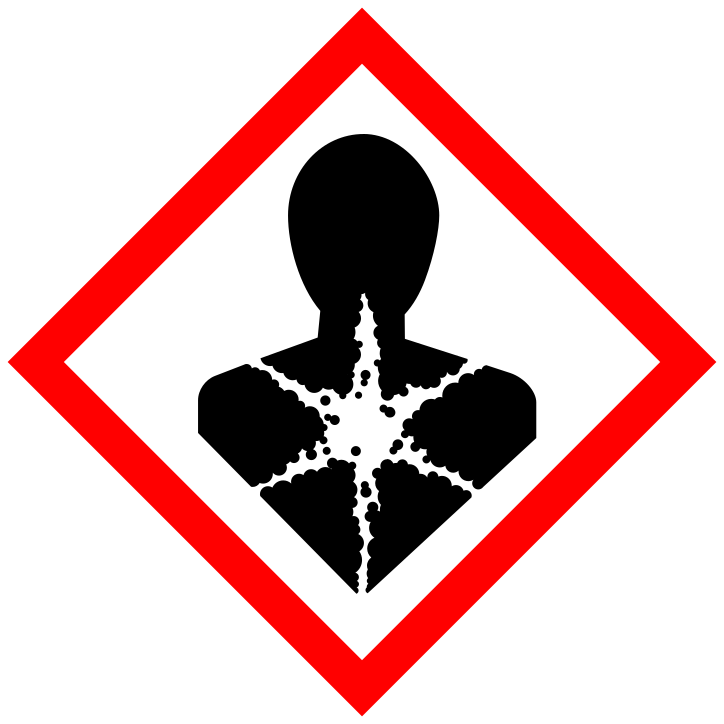
Classified as hazardous. See the hazard and precautionary statements in the Safety tab.
Physical and chemical properties
Published reference values (PubChem). For guidance only: they are not batch specifications.
| Appearance | White to off-white crystalline powder |
|---|
| Melting point | 110–121 °C |
|---|
| pKa | pKa1 = 1.9 |
|---|
Safety and handling
Signal word (CLP): Danger
Hazard statements
- H315
- Causes skin irritation.
- H319
- Causes serious eye irritation.
- H341
- Suspected of causing genetic defects.
- H350
- May cause cancer.
- H360Df
- May damage the unborn child. Suspected of damaging fertility.
- H373
- May cause damage to organs through prolonged or repeated exposure.
Precautionary statements
- P260
- Do not breathe dust/fume/gas/mist/vapours/spray.
- P263
- Avoid contact during pregnancy and while nursing.
- P264
- Wash … thoroughly after handling.
- P280
- Wear protective gloves/protective clothing/eye protection/face protection.
- P302 + P352
- IF ON SKIN: Wash with plenty of water/…
- P305 + P351 + P338
- IF IN EYES: Rinse cautiously with water for several minutes. Remove contact lenses, if present and easy to do. Continue rinsing.
Storage and transport
| Storage temperature | 2–8 °C |
|---|
| Acid-base character | Neutral |
|---|
Indicative information based on the CLP classification. You can request the safety data sheet together with your quotation.