Description
Picloram (CAS 1918-02-1), from our fine chemicals range: analytical reagents and organic synthesis. Molecular formula C₆H₃Cl₃N₂O₂; molecular weight 241.46 g/mol.
Supplied as a white/ beige powder.
Store at room temperature.
Available in 25 g format.
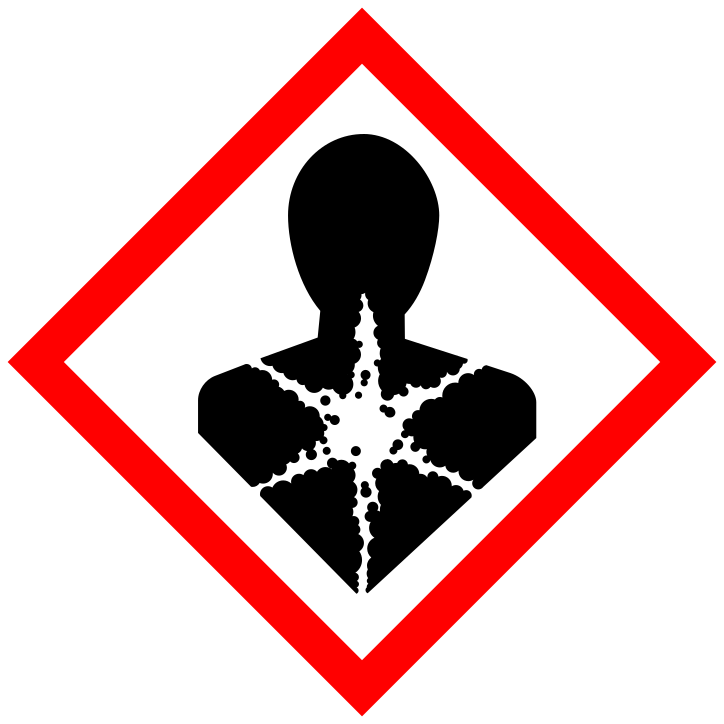
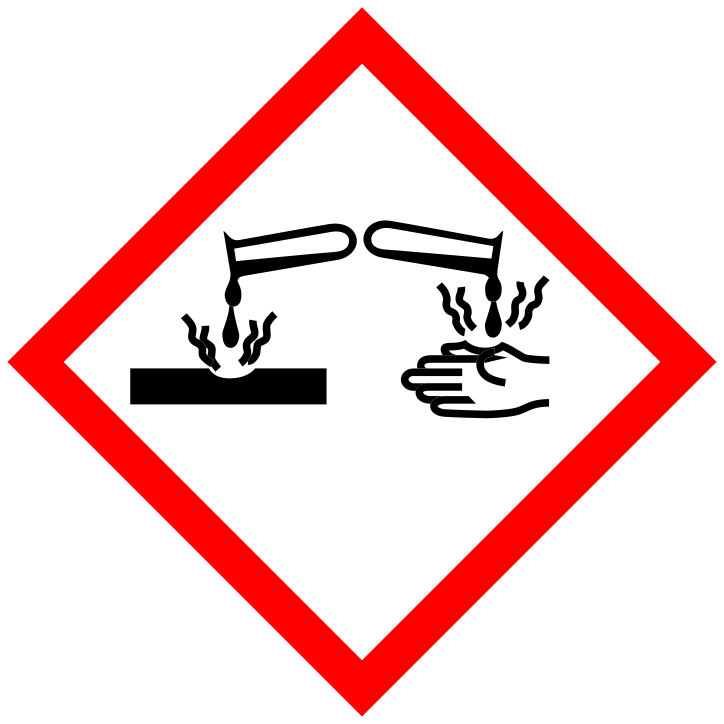
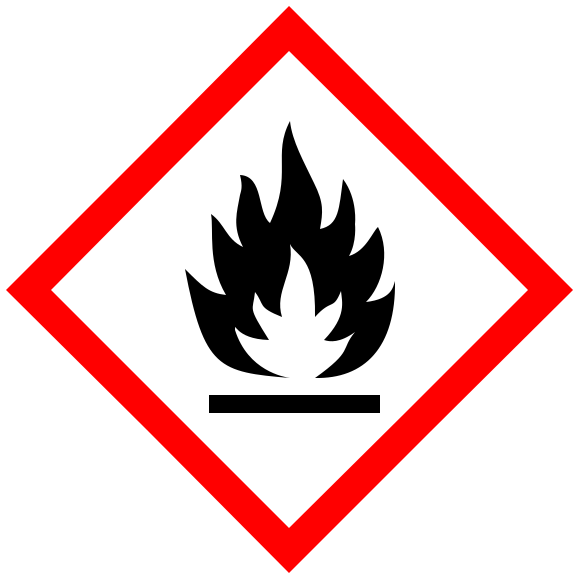
Classified as hazardous. See the hazard and precautionary statements in the Safety tab.
Physical and chemical properties
Published reference values (PubChem). For guidance only: they are not batch specifications.
| Appearance | White powder |
|---|
| Odour | Chlorine-like odour |
|---|
| Melting point | 218.5 °C |
|---|
| Water solubility | 430 mg/L at 25 °C |
|---|
| Vapour pressure | 6.0 × 10⁻¹⁶ mmHg at 25 °C |
|---|
| pKa | pKa = 2.3 |
|---|
| log P (octanol/water) | 0.30 |
|---|
Safety and handling
Signal word (CLP): Warning
Hazard statements
- H319
- Causes serious eye irritation.
- H335
- May cause respiratory irritation.
- H373
- May cause damage to organs through prolonged or repeated exposure.
- H412
- Harmful to aquatic life with long lasting effects.
Precautionary statements
- P260
- Do not breathe dust/fume/gas/mist/vapours/spray.
- P273
- Avoid release to the environment.
- P280
- Wear protective gloves/protective clothing/eye protection/face protection.
- P304 + P340
- IF INHALED: Remove person to fresh air and keep comfortable for breathing.
- P305 + P351 + P338
- IF IN EYES: Rinse cautiously with water for several minutes. Remove contact lenses, if present and easy to do. Continue rinsing.
- P501
- Dispose of contents/container to …
Storage and transport
| Storage temperature | Room temperature |
|---|
| Transport class (ADR) | Not regulated |
|---|
| Acid-base character | Neutral |
|---|
Indicative information based on the CLP classification. You can request the safety data sheet together with your quotation.